Fast, Reliable AC Repair in Your Area
Restore comfort quickly with expert technicians and upfront pricing.
Home
Handling AC Breakdowns Like a Pro: What Homeowners Should Know
A sudden AC failure can disrupt sleep, productivity, and indoor air quality. Heat and humidity can cause moisture issues indoors, stress electrical components, and aggravate health concerns. Understanding how air conditioners operate and what to check first helps prevent small issues from snowballing into major repairs. A thoughtful plan also shortens downtime and protects the system’s lifespan.
Spot the Early Warning Signs
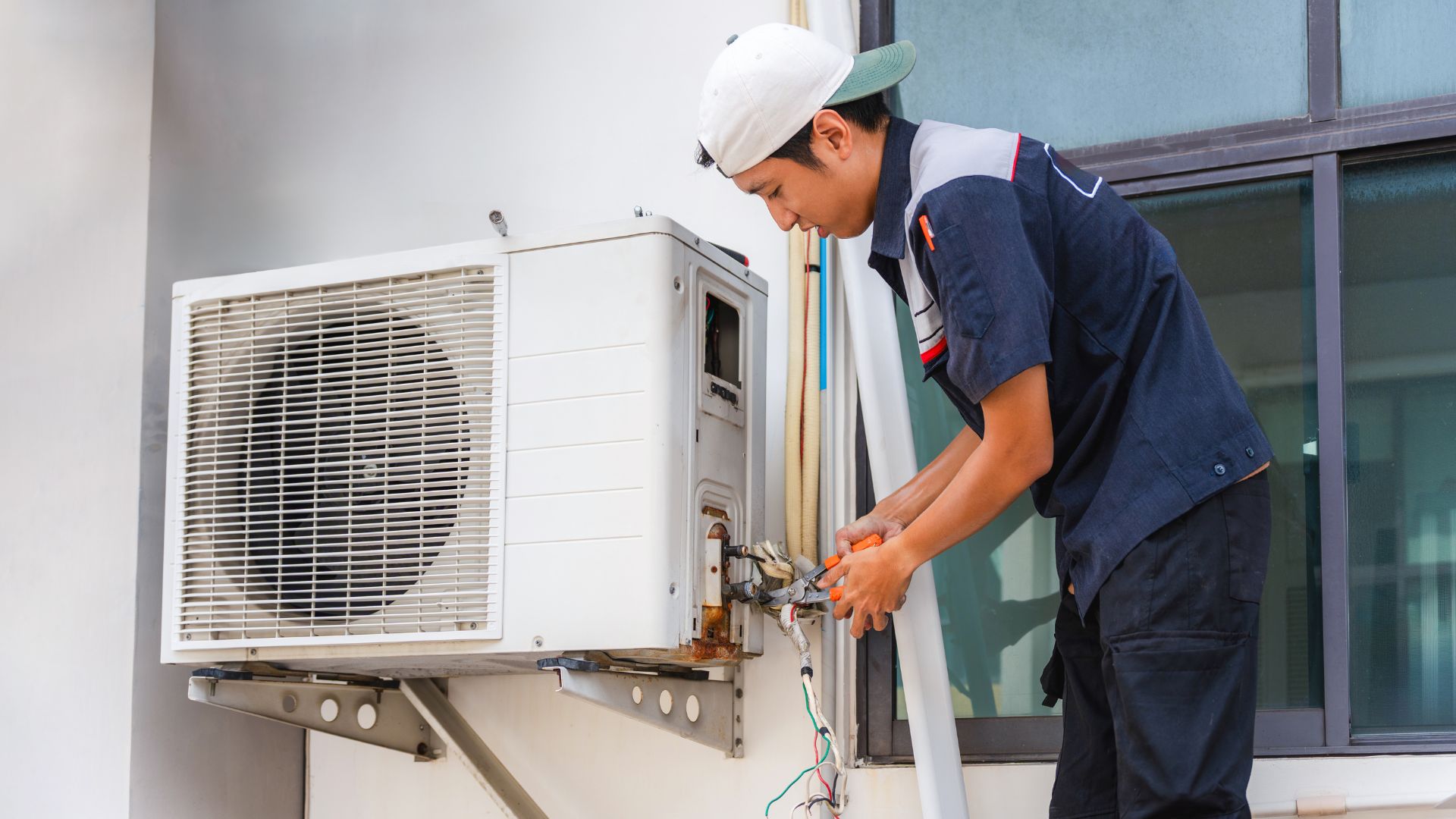
Air conditioners often send signals before they stop cooling entirely. Common red flags include uneven temperatures between rooms, longer cooling cycles, musty or burning odors, short cycling, ice on the refrigerant lines, and unusual noises like grinding, squealing, or rattling. Catching these clues early can help preserve components and reduce repair scope.
Quick Checks You Can Safely Do
Some troubleshooting steps are homeowner-friendly and can make the difference between a quick reset and a more complex diagnostic:
- Confirm the thermostat is on Cool with a setpoint below current room temperature
- Replace or clean the air filter if dirty or clogged
- Ensure the outdoor unit has clear airflow with at least a couple of feet of clearance
- Check the breaker panel and any outdoor service switch
- Inspect vents for blockages or closed dampers
If these steps don’t restore performance, turn the system off to prevent further damage and schedule service.
Preventive Maintenance Pays Off
Routine care is the backbone of reliable cooling. Professional tune-ups verify refrigerant charge, electrical integrity, blower performance, condensate drainage, and coil cleanliness. Between visits, homeowners can keep return grilles clear, maintain proper attic insulation and sealing, and trim vegetation around the condenser. These habits improve comfort, reduce strain on compressors and fans, and support efficient operation through the hottest months.
What a Thorough Diagnostic Looks Like
A complete diagnostic approach zeroes in on root causes rather than symptoms. Trained technicians typically:
1. Validate the complaint with temperature and airflow readings
2. Inspect filters, coils, fans, and duct connections for restrictions
3. Test capacitors, contactors, relays, and wiring under load
4. Measure static pressure and verify blower speeds
5. Evaluate drain lines and pans for clogs or leaks
6. Check refrigerant pressures and temperatures to assess system charge
This process ensures accurate recommendations, whether that means targeted repair, component replacement, or performance improvements.
Indoor Air Quality and Comfort Go Hand in Hand
Cooling is only part of comfort. High humidity can make rooms feel warmer than the thermostat indicates and promote microbial growth. Balancing airflow, dehumidification, and filtration enhances both comfort and system reliability. Consider how duct layout, return placement, and sealing influence temperature swings and hot spots. Even minor corrections can smooth out airflow and reduce cycling.
Safety First During an AC Emergency
Electrical issues, burning odors, or tripped breakers can signal risks that warrant immediate shutoff and professional attention. Avoid removing service panels or attempting refrigerant work. If water is pooling around the air handler, prevent overflow damage by turning the system off and placing towels or a pan beneath the unit until help arrives.
Plan Ahead for the Heat
Summer stress on AC systems is predictable. Create a simple readiness plan:
- Replace filters on schedule
- Keep registers open and unblocked
- Note the system model and filter size where it’s easy to find
- Trim shrubs around the condenser each spring
- Schedule maintenance before peak heat
Small steps today protect your equipment when temperatures spike tomorrow.
Member Spotlight
Duncan's Air Conditioning & Heating
2251 Lynx Ln Ste 1 Suite 1
Orlando, FL, 32804
407-676-7747
https://duncansacorlando.com/
Duncan's Air Conditioning & Heating, Orlando, FL, is ready to assist when you need emergency ac repair Orlando. Duncan's Air Conditioning is your local family owned and operated Trane Comfort Specialist in Central Florida. We do service all brands of air conditioning systems. We are committed to our customers satisfaction. We strive to build a long term relationship with each and everyone of our customers, built on quality Service and Installation. We specialize in Quality not Quantity. We have Knowledge that you can count on and Diagnostics you can trust. Duncan's Air Conditioning & Heating, Inc. can help you with ALL of your air conditioning and heating needs and we appreciate very much the opportunity to do so.
About Us
At Duncan's Air Conditioning & Heating, we’re proud to serve Orlando, FL with attentive, neighborhood-focused air conditioning repair service built on integrity, clear communication, and dependable craftsmanship. From our office at 2251 Lynx Ln Ste 1 Suite 1, Orlando, FL 32804, our team shows up ready to listen, diagnose, and deliver solutions that put comfort and reliability first. We work hard to earn trust on every visit by combining thorough system evaluations with thoughtful recommendations that fit your home and your comfort goals.
Local expertise matters in Central Florida, and we understand how heat, humidity, and sudden weather swings can impact performance. That’s why our technicians approach each air conditioning repair service with a detail-first mindset, addressing the root cause rather than masking symptoms. Whether it’s restoring cooling during a peak-season outage or fine-tuning performance for consistent airflow and even temperatures, our focus stays on dependable operation and long-term value.
For homeowners planning an upgrade, we offer guidance to help you navigate options confidently, including systems designed for efficiency and quiet operation. If you’re exploring a transition to a modern, energy-forward setup, ask our team about heat pump installation orlando and how the right configuration can support year-round comfort. We pair careful system selection with precise installation practices that respect your home and deliver consistent results.
As a local company, we’re committed to relationships that last well beyond a single service call. You can expect courteous scheduling, transparent communication, and workmanship that reflects pride in every detail. Reach Duncan's Air Conditioning & Heating at 407-676-7747 or visit https://duncansacorlando.com/ to connect with a team that treats your comfort like it’s our own. We’re honored to serve Orlando, FL and ready to help keep your home cool, comfortable, and running smoothly—season after season.
Blog
Keeping Cool in the Subtropics: Practical hvac Orlando Maintenance and Repair Insights
Central Florida’s heat and humidity test every cooling system, and quick, informed decisions can prevent small air conditioning issues from growing into full system failures. Homeowners and facility managers who understand the repair process, know what to watch for, and prioritize routine care can keep comfort steady and costs manageable. The following practical guide focuses on everyday steps and repair-aware habits tailored to the realities of hvac Orlando performance in a subtropical climate.
1. Start with the thermostat
Before assuming a major malfunction, verify thermostat settings and location. Heat sources, direct sun, and drafts can cause false readings that lead to short cycling or extended run times. Replace batteries if applicable, confirm cooling mode, and ensure appropriate temperature differentials. Smart or programmable models should have schedules aligned with actual occupancy to avoid unnecessary strain on equipment.
2. Listen, look, and sniff for early warning signs
Unusual noises—rattling, buzzing, or screeching—often signal loose panels, electrical issues, or failing bearings. Visible frost on refrigerant lines suggests airflow restrictions or low refrigerant. Musty odors may indicate microbial growth in the air handler or drain pan. Catching these signals early helps narrow diagnosis and reduces the likelihood of collateral damage to compressors and motors.
3. Prioritize airflow first
Restricted airflow is a frequent root cause of poor cooling. Replace or clean filters regularly, confirm supply and return vents are open and unobstructed, and keep the outdoor unit clear of leaves and debris. Indoors, a clogged evaporator coil or a blocked condensate line can impair performance and trigger water leaks. Addressing airflow promptly stabilizes pressures, temperatures, and overall comfort.
4. Protect the outdoor condenser
The outdoor condenser needs space to breathe. Maintain at least a couple of feet of clearance from vegetation and fence lines, and keep grass clippings away from the coil. In storm-prone seasons, secure loose yard items that could strike the cabinet. Bent fins reduce heat transfer; a fin comb or professional straightening can restore surface area and efficiency.
5. Respect electrical safety
Frequent breaker trips and burned smells from panels call for immediate attention. Corroded lugs, overheated contactors, and degraded capacitors are common in humid environments. Avoid repeated resets without determining the cause; chronic tripping can indicate short circuits or motor failures. A safe, methodical approach preserves both equipment and property.
6. Track humidity and drainage
Cooling systems in coastal climates work hard to manage moisture. If indoor air feels clammy despite low temperatures, check blower speeds, drain line cleanliness, and the condition of the evaporator coil. A clear, properly pitched condensate line with a clean trap helps prevent backups and ceiling leaks. Secondary safety switches can shut the system off to stop water damage when clogs occur.
7. Calibrate ducts and rooms
Uneven temperatures from room to room often trace back to duct leaks, crushed flex runs, or disconnected boots. Sealing accessible joints with mastic and ensuring proper insulation around attic ducts reduces heat gain and keeps conditioned air where it belongs. Balanced airflow not only improves comfort but also eases the load on compressors.
8. Schedule seasonal tune-ups
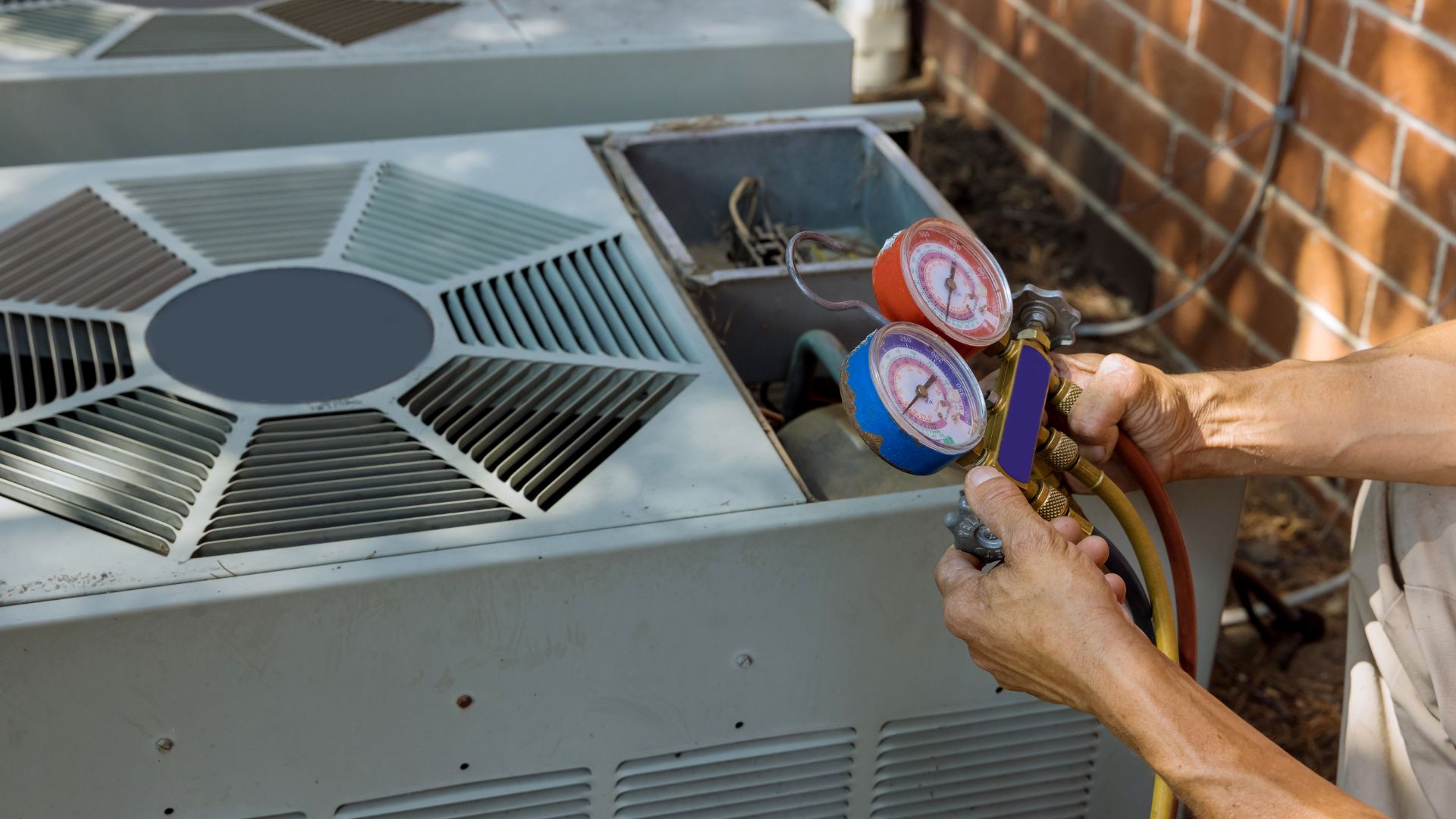
Proactive inspections before peak heat help identify weak components and marginal refrigerant charge. Verifying superheat and subcooling, cleaning coils, checking delta-T across the coil, tightening electrical connections, and confirming blower performance provide a baseline for summer reliability. Thoughtful maintenance keeps energy use in check and extends equipment life.
9. Know when repair beats replacement—and vice versa
Age, refrigerant type, repeated breakdowns, and major component failure inform repair decisions. Evaluate reliability, comfort goals, and anticipated operating costs. Sometimes a targeted repair restores performance; other times, upgrading delivers quieter operation, steadier humidity control, and long-term savings.
10. Create a simple system log
Keep a record of filter changes, drain cleanouts, service dates, and any error codes. Photos of the nameplate and thermostat settings help technicians diagnose faster. A small notebook or app-based log reduces guesswork and supports faster, more accurate repairs.
With heat, salt air, and heavy rain in the mix, thoughtful habits and timely service keep cooling steady. By focusing on airflow, cleanliness, electrical integrity, and moisture control, your system can tackle the demands unique to hvac Orlando conditions while maintaining dependable comfort all season long.
Staying Cool in Humid Climates: Practical Insights for ac repair Orlando
Orlando’s long cooling season and humidity challenge even well-maintained systems. When indoor comfort slips, the right approach to diagnosis, maintenance, and timely fixes can keep your home cooler and your system running efficiently. The following guide outlines practical insights any homeowner can use to navigate ac repair Orlando with confidence and clarity.
1. Recognize early warning signs
Subtle changes often precede a full breakdown. Uneven temperatures, longer run times, unusual noises, musty or burning odors, or a thermostat that struggles to reach setpoint all signal trouble. Catching these issues early makes ac repair Orlando more straightforward and can prevent additional wear on major components like compressors and blower motors.
2. Prioritize airflow before anything else
Restricted airflow amplifies many problems. Check return and supply vents to ensure they’re open and unblocked. Replace or clean filters on schedule, especially during pollen peaks and storm season when debris is more common. Clean, unobstructed airflow helps coils exchange heat properly, reduces energy strain, and shortens cooling cycles—fundamental steps that often simplify the path to effective ac repair Orlando.
3. Address condensate drainage in humid weather
High humidity means condensate drains work overtime. A clogged trap or line can cause water backing up, float switch trips, and sudden cooling shutdowns. Keep the drain line clear, confirm the safety switch functions, and look for water around the air handler. Taking care of drainage is a quick win that prevents moisture damage and mold-friendly conditions.
4. Keep coils and outdoor units clean
Dust, grass clippings, and storm debris can reduce outdoor coil performance while indoor coils collect fine particles that insulate against heat transfer. Clear a couple feet of space around the condenser, trim vegetation, and keep coil fins free of buildup. Inside, proper filtration combined with periodic coil cleaning supports consistent cooling and limits system stress during the hottest afternoons.
5. Calibrate thermostats and evaluate placement
A thermostat near a heat source or direct sunlight can misread room temperature and overwork the system. Ensure proper placement away from drafts, lamps, and windows. If the unit short cycles or never satisfies the setting, recalibration or upgrading to a programmable or smart control can improve accuracy, manage humidity better, and balance comfort across your home.
6. Investigate electrical components safely
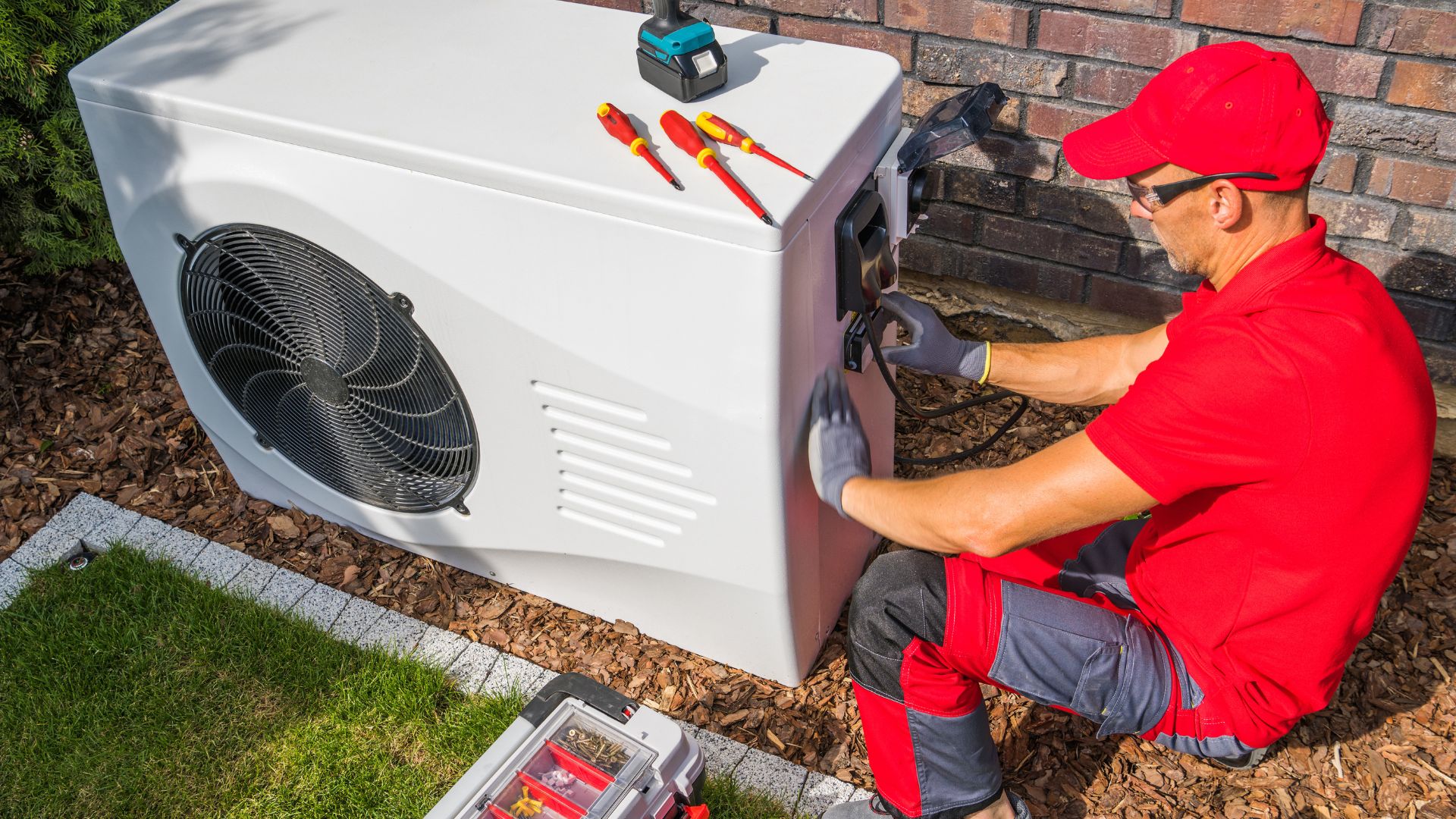
Frequent short cycling, a humming outdoor fan, or no start can point to worn capacitors, contactors, or relays. These parts bear heavy loads during summer and often fail first. Visual inspection for scorch marks and pitting can be telling, but electrical diagnostics require caution. De-energize equipment before any check, and when in doubt, leave component-level evaluation to qualified technicians.
7. Consider duct condition and sealing
Leaky or crushed ducts drive uneven cooling, longer run times, and dust infiltration. Inspect accessible runs for gaps at joints, deteriorating tape, and collapsed flex. Proper sealing and insulation preserve delivered cooling and reduce the burden on the air handler—key for smoother repairs and longer component life in a humid climate.
8. Pay attention to humidity control
Comfort depends on both temperature and moisture removal. If the home feels clammy, review fan settings, runtime, and coil cleanliness. Short cycles can leave humidity high even when temperature looks fine. Solutions may involve adjusting fan speeds, improving filtration, addressing refrigerant charge concerns, and ensuring proper drainage to achieve balanced comfort.
9. Know when noises tell a story
Rattles hint at loose panels or mounts. Squeals can suggest belt or motor issues in certain setups. Grinding or metal-on-metal sounds deserve immediate attention to prevent larger damage. Document what you hear, when it happens, and any weather or runtime patterns—details that streamline troubleshooting and minimize downtime.
10. Plan for preventive maintenance
Consistent maintenance lowers the likelihood of urgent fixes and protects major assets. Seasonal inspections, filter routines, drain cleaning, and coil care allow technicians to spot developing issues early. With Orlando’s heat, a proactive plan is one of the most effective forms of risk reduction, keeping air moving, humidity in check, and repairs more manageable when needs arise.
A thoughtful approach—spotting symptoms early, safeguarding airflow, controlling moisture, and scheduling preventive care—sets the stage for reliable cooling through the toughest stretches of the season. With these fundamentals in place, you can move through the steps of ac repair Orlando more efficiently and restore steady comfort at home.